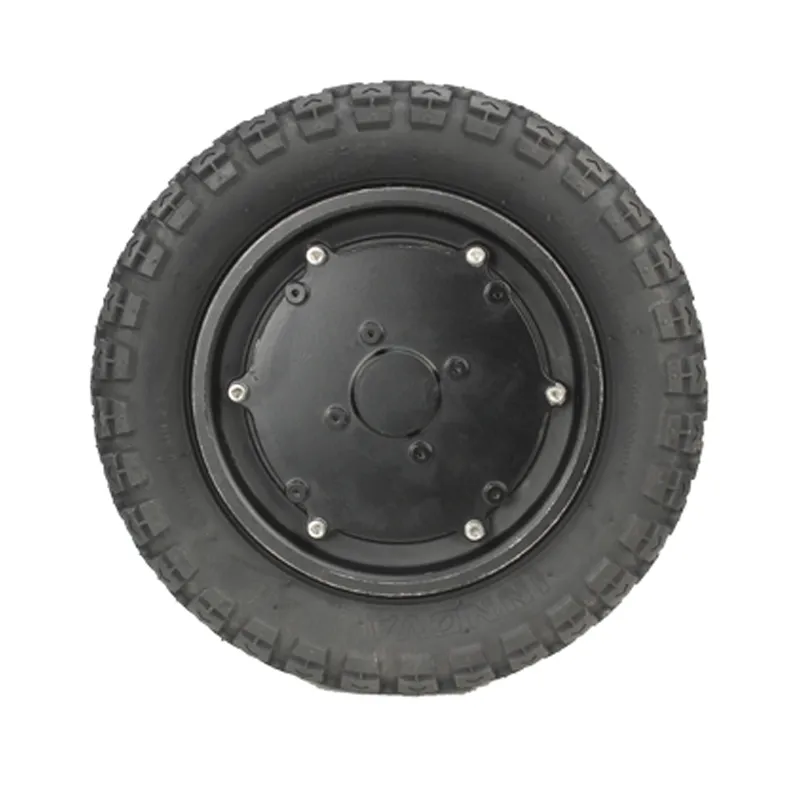
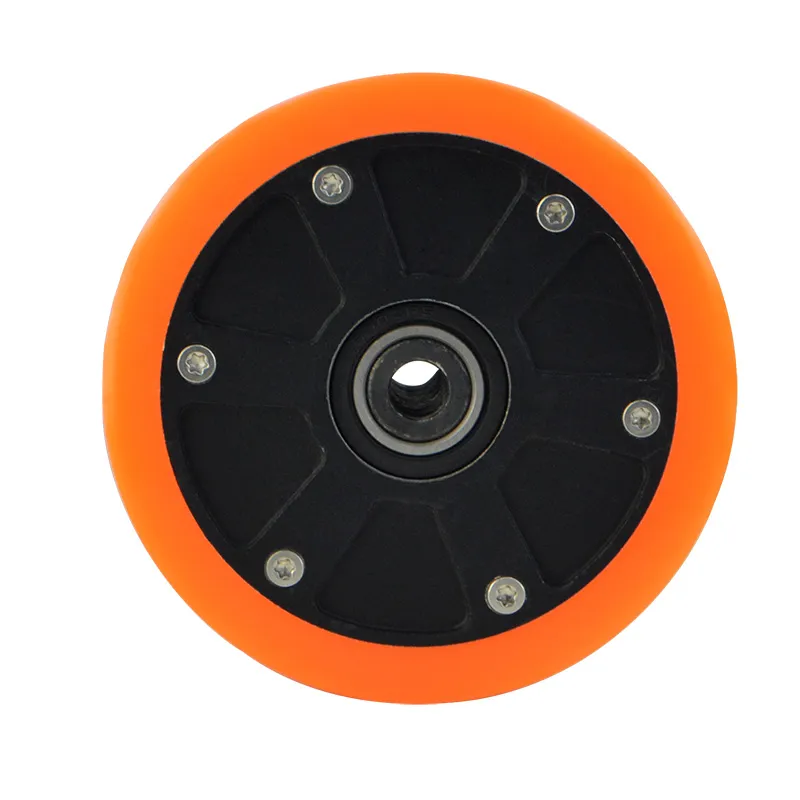
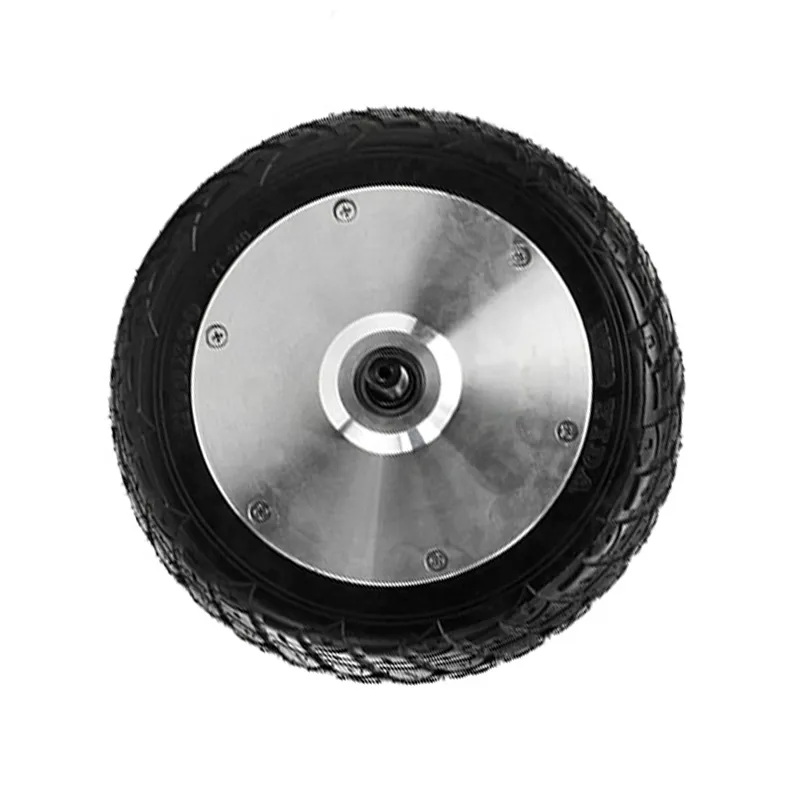
Selecting the right brushless DC gearless hub motor depends on translating whole-vehicle performance requirements into precise electrical and mechanical specifications. This guide walks engineers, product designers, and procurement teams through the core parameter selection logic, using three fundamental vehicle inputs: target speed, wheel diameter, and load capacity.
Before calculating motor parameters, confirm the following vehicle-level requirements. These values serve as the foundation for all subsequent motor specification decisions:
Rated rotating speed is derived directly from target vehicle speed and wheel diameter. In a gearless hub motor design, the motor rotor rotates at the same speed as the wheel, so the calculation is straightforward:
Where wheel circumference = π × wheel diameter. When selecting a motor from standard product lines, choose a model with a rated speed slightly above the calculated value to account for real-world efficiency losses and voltage drop under load.
Rated power represents the continuous mechanical output the motor can deliver under designed operating conditions. For brushless DC gearless hub motors, power requirements are driven by:
Practical Sizing Tip
For flat-terrain light electric vehicles, start with a power estimate based on load and target speed. For applications requiring hill climbing or frequent acceleration, add a safety margin of 20–30% above the base calculated power to ensure reliable continuous operation and prevent overheating.
Rated voltage selection is primarily determined by the vehicle's battery system design, but it also influences current draw and overall efficiency:
Always confirm that the selected motor's rated voltage aligns with the battery's nominal voltage and the controller's operating range for optimal system compatibility.
Once voltage, power, and speed are determined, review the following complementary specifications to ensure the motor fits your mechanical and environmental requirements:
| Parameter | Selection Consideration |
|---|---|
| Motor diameter | Must fit within wheel rim and fork clearance constraints |
| Maximum torque | Must meet hill-climbing and start-up torque demands |
| Waterproof rating | Select appropriate IP rating based on outdoor exposure |
| Brake mode | Match with vehicle braking system (disc, drum, or regenerative) |
| Shaft material & out of the shaft | Ensure mechanical compatibility with frame and dropouts |
| Hall angle & number of poles | Must match controller configuration for smooth operation |
If you have specific vehicle performance targets but are uncertain about the exact brushless DC gearless hub motor specifications needed, our engineering team can assist with parameter matching and customized solution development.
Prepare your target speed, wheel size, load requirements, and operating environment details for a comprehensive motor sizing recommendation.