When your ball-feeding machine motor suddenly overheats or develops a new, sharp noise, the fastest way to reduce downtime is to diagnose in the same order that faults most commonly occur: excess load, bearing wear, power supply issues, and moisture intrusion. If your setup includes a 62 mm open-slot structure, dynamic balance becomes an extra variable at high RPM—often the “hidden amplifier” that turns a small mechanical issue into heat and vibration.
Below is a practical, tool-light workflow (multimeter + clamp meter if available, a simple mechanic’s stethoscope or screwdriver “listening,” and basic hand tools). Use it whether you’re equipment staff, a coach managing training uptime, or a DIY owner who wants a repeatable checklist.
| Symptom | Most likely causes | Fastest check |
|---|---|---|
| Motor casing too hot to touch within 10–20 minutes | Overload, binding rollers, poor ventilation, voltage drop | Measure current vs. rated; spin test by hand |
| New “growling” or “rumbling” sound | Bearing wear, contamination, misalignment | Stethoscope on bearing seat; compare sides |
| High-pitched squeal + intermittent speed variation | Belt tension, slipping coupler, unstable supply/drive | Inspect belt, log voltage during operation |
| Vibration increases at higher speed (noticeable on frame) | Dynamic imbalance (62 mm open slot), loose fasteners, bent shaft | Ramp speed slowly; check mounting torque |
| Buzzing + warm smell after humid storage | Moisture in motor/driver, PU water channel moisture ingress | Insulation check if possible; dry-out procedure |
Interaction prompt: Have you noticed the noise happens only at a certain speed range, or does it increase smoothly with RPM? That detail often separates “imbalance” from “electrical” causes.
START → Motor hot/noisy
1) Safety: power off → wait for stop → check loose bolts, rubbing marks, debris
2) Free-spin test: decouple load (if possible) → shaft should rotate smoothly with consistent resistance
3) Current test: run at typical speed → measure current (clamp meter) → compare to nameplate/rated
4) Voltage stability: measure supply at terminals under load → watch for drop/spikes
5) Acoustic pinpoint: listen at bearing seats vs. frame vs. gearbox/roller housing
END → Confirm root cause → apply fix → re-test at low-to-high speed ramp
Overload doesn’t always mean “too many balls.” In ball-feeding machines, overload often comes from roller drag, misalignment, belt over-tension, or foreign particles increasing friction. Heat rises because current rises: as a practical reference, a steady current that is 10–20% above rated is a warning; sustained 25%+ often leads to rapid temperature escalation and insulation aging.
Worn bearings convert energy directly into heat and noise. A simple mechanic’s stethoscope (or the metal-shaft screwdriver method) can help you localize the sound: place the tip on the bearing housing and compare left vs. right. A failing bearing often produces a low-frequency rumble that grows with speed, sometimes with a “sand” texture if contamination is present.
Even a healthy motor can run hot if the supply is unstable. In many facilities, voltage dips happen when other equipment starts (compressors, HVAC). A useful field threshold: if your measured voltage at the motor terminals drops by more than ~5% under normal load, current may rise to maintain torque, creating extra heat. On systems with speed control, unstable input can show up as torque ripple—felt as vibration and heard as a buzz.
Moisture can enter through seams, cable glands, or nearby PU water channels (condensation and capillary paths are more common than obvious leaks). The result can be intermittent noise, reduced insulation resistance, corrosion on bearing surfaces, and sticky contamination that increases drag. If your machine is stored in a damp room, you may see problems “randomly” appear after a few days—then temporarily disappear once warm.
Field note (real-world pattern): “Noise started after weekend storage, then reduced after 30 minutes of running—but the motor case felt hotter than usual.”
In many cases, the “self-improvement” is heat drying moisture temporarily, while corrosion and contamination continue to progress underneath.
If your rotating assembly includes a 62 mm open-slot geometry, it may introduce an asymmetric mass distribution. At low speed you barely notice it; at higher RPM, imbalance force rises rapidly (proportional to the square of speed). Practically, this means a small imbalance that feels “fine” at moderate speed can become a strong vibration at training-speed settings—leading to:
Your practical check: ramp speed gradually and note whether vibration spikes in a narrow band. A narrow band often indicates resonance/imbalance interaction; a linear increase with speed often suggests general imbalance or bearing degradation.
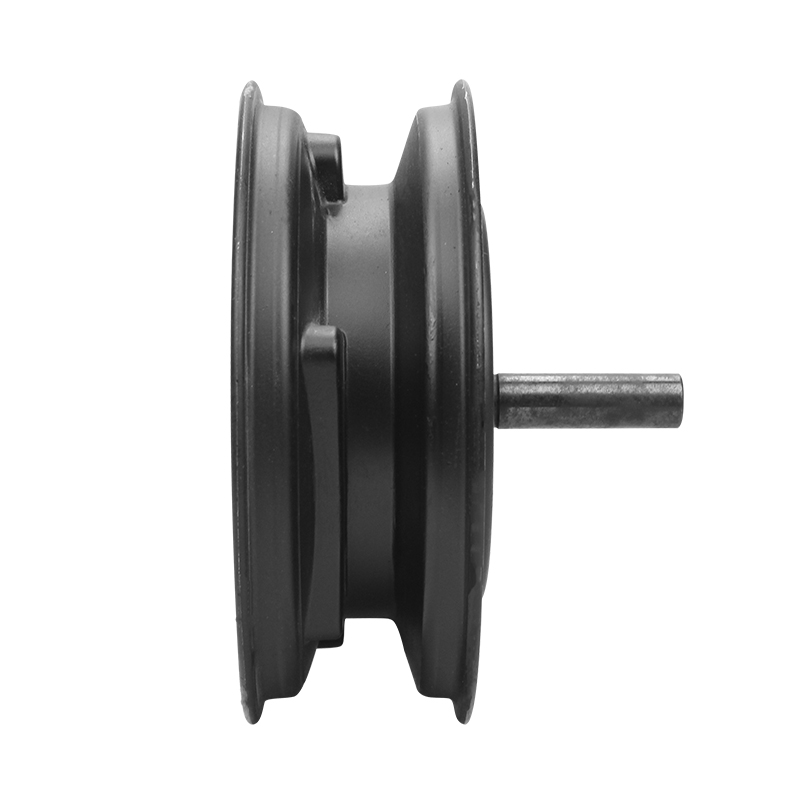
Scenario: You hear a new rumble at higher speeds and the motor is noticeably hotter after 15 minutes. The machine uses a 62 mm open-slot structure.
Result: Bearing replacement + cleaning + re-torque and alignment reduced vibration immediately, and operating temperature returned to normal range during a 45-minute test run.
If you’ve ever “fixed” noise by tightening a few screws and it came back later, that’s often the pattern: imbalance or bearing wear briefly quieted, then accelerated again.
The key is trend data. If your baseline current at a fixed speed slowly rises over weeks, you’re catching friction and bearing issues before they become a sudden shutdown.
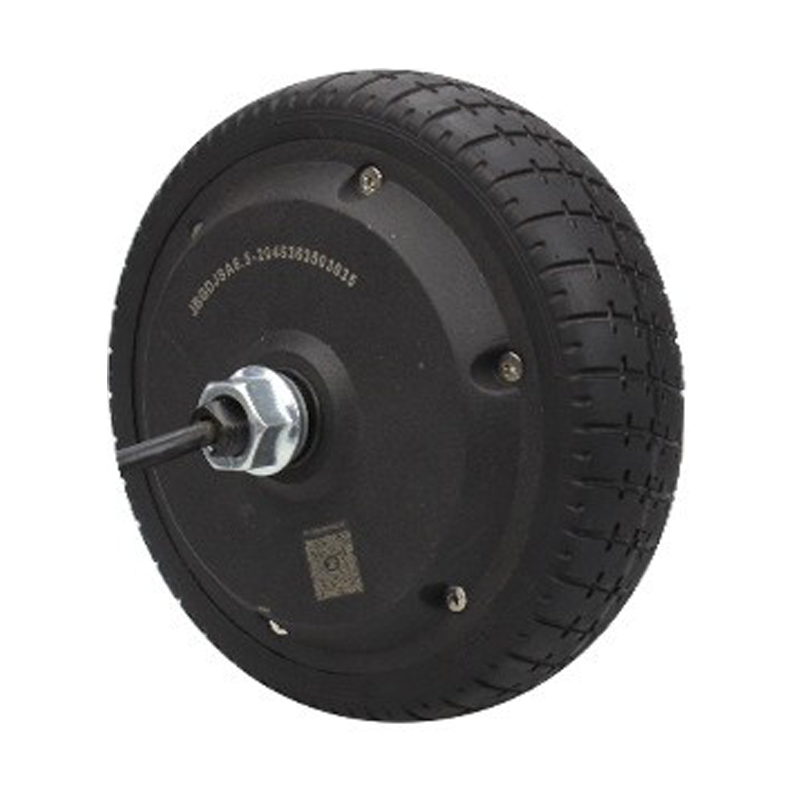
When you’re dealing with compact ball-feeding machines, motor fitment and stability matter as much as raw output. Many users choose WWTrade solutions because they need consistent performance in tight mechanical envelopes. For example, WINAMICS motors emphasize a compact package and reliable materials—helpful when your machine layout is sensitive to alignment, vibration, and heat buildup.
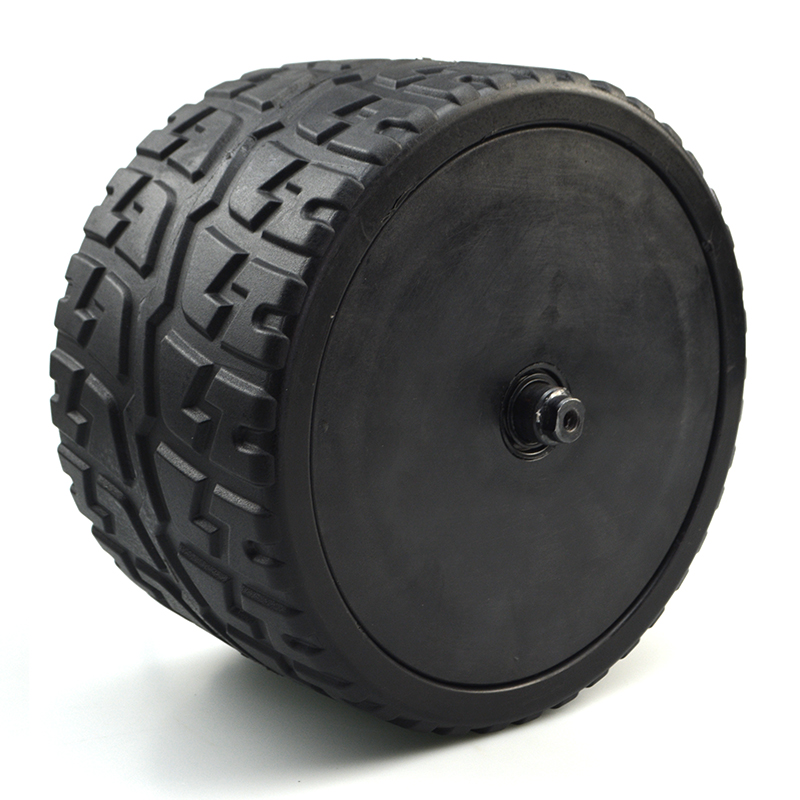
If your current motor struggles with space constraints, or you suspect vibration is being amplified by the structure, a compact option can reduce installation compromises. WINAMICS motor uses a 42 mm tire-width design, keeping the structure tight and space-efficient while supporting smoother operation when properly installed and balanced.
If you tell us your motor model, typical operating speed, and whether you’re using a 62 mm open-slot structure, you can narrow the fault quickly—and avoid repeat failures from hidden imbalance or voltage issues.
Explore WINAMICS Compact Motors for Ball-Feeding Machines (WWTrade)Tip: Include a short video of the noise and a photo of the wiring/connector area—those two items often cut diagnosis time dramatically.
You’ve probably already tried “tighten, clean, run again.” Next time, add one measurement (current or voltage) and one localization step (bearing-seat listening). That combination is usually where the real answer shows up.