Low-Voltage E-Powertrain Customization Workflow: Key Control Points from Requirement Confirmation to Mass Delivery
Shenzhen Jinhaixin Holdings Co., Ltd explains the end-to-end B2B customization workflow for low-voltage e-powertrain systems—from requirement alignment and duty-cycle analysis to parameter confirmation, sample validation, iteration, quality control, and mass production delivery—supporting hub motors, drive controllers, and battery packs.
For B2B OEM/ODM programs, a low-voltage e-powertrain customization project succeeds when key milestones are clear and every handoff is controlled—from the first requirement discussion to stable mass delivery.
Shenzhen Jinhaixin Holdings Co., Ltd (Shenzhen Jinhaixin Holdings Co., Ltd) is an integrated manufacturing-and-trading company focused on low-voltage e-powertrain systems, covering BLDC hub motors, drive controllers, and battery packs. Below is our end-to-end workflow and the practical control points used to align specifications, validate samples, manage quality, and support batch production readiness.
What this workflow covers
- Scope: requirement communication → duty-cycle/application analysis → specification & parameter confirmation → prototype/sample build → validation testing → design iteration → mass production → QC & shipment delivery
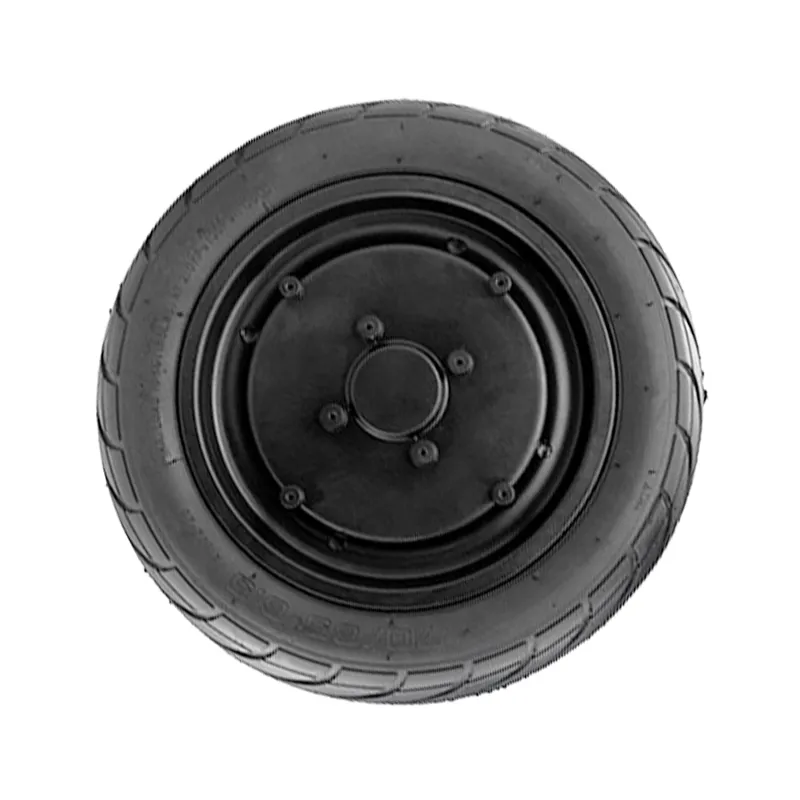
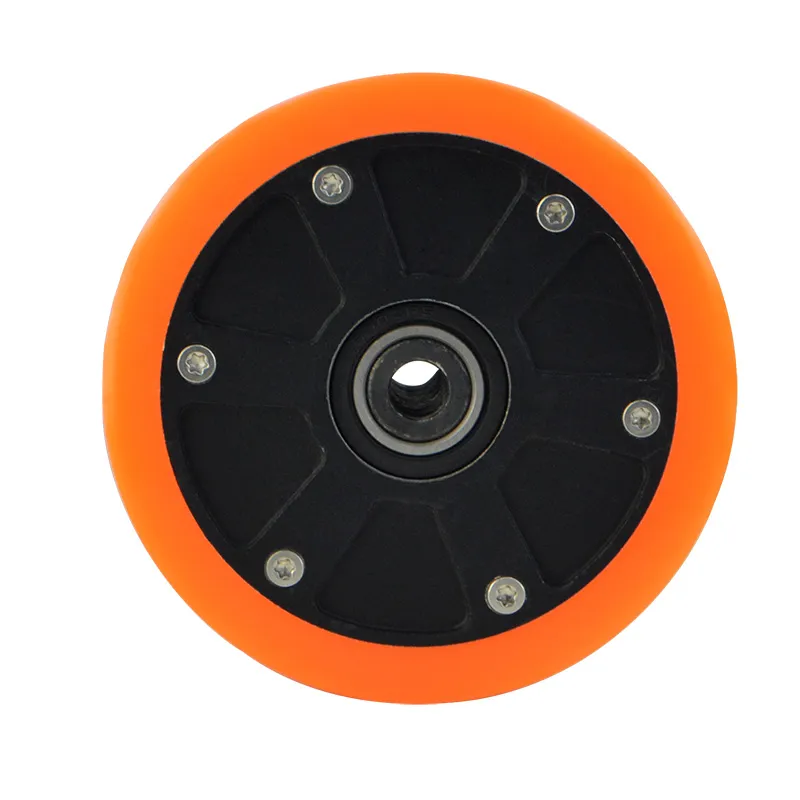
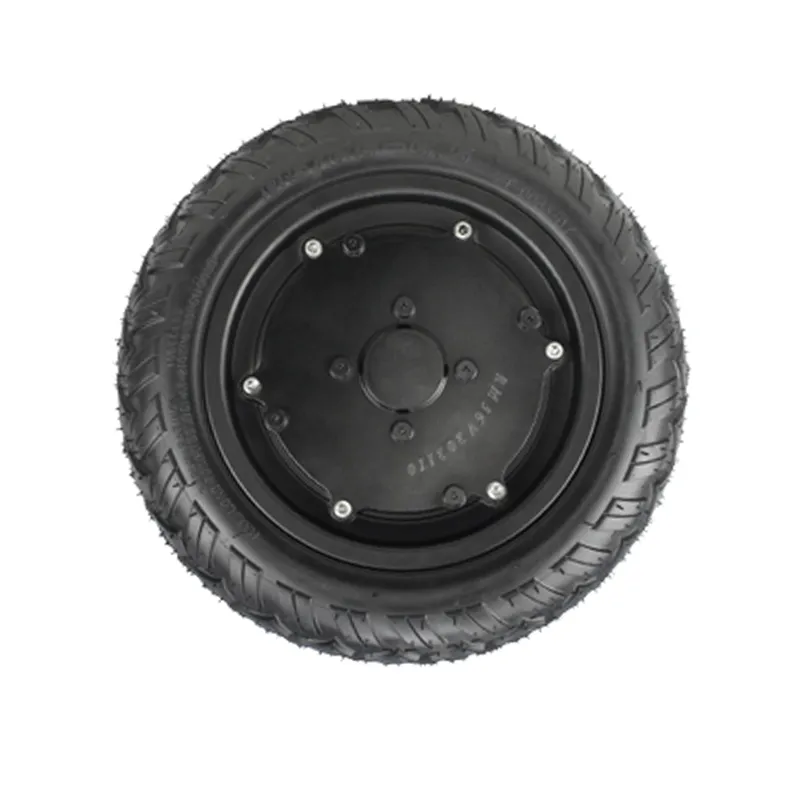
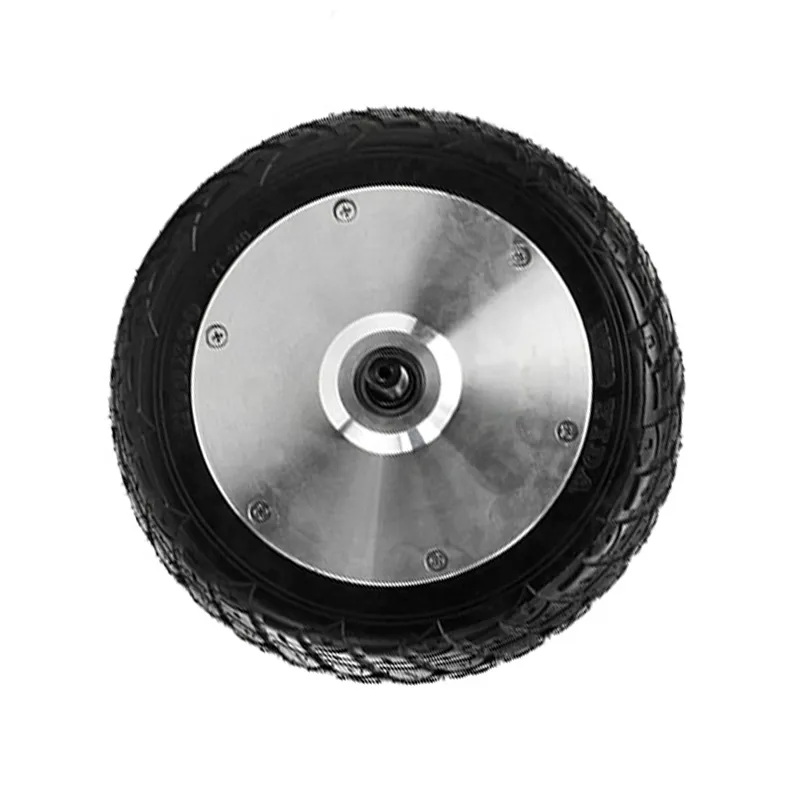
- Applicable to: custom BLDC hub motors, drive controllers, and battery packs in low-voltage systems
- Outcome: clearer milestones, cross-functional R&D collaboration, controlled quality management, and delivery readiness for batch orders
Why control points matter in B2B customization
- They reduce ambiguity between marketing requirements and engineering parameters.
- They prevent repeated redesign by setting measurable confirmation gates.
- They strengthen batch consistency through pre-production alignment and QC planning.
Note: Specific test items and acceptance criteria are defined project-by-project based on the agreed specification and application scenario.
End-to-end customization workflow (B2B)
Stage 1 — Requirement alignment (Kickoff)
We align target application, expected performance, interfaces, and project constraints to create a single source of truth for engineering and production.
- Inputs: intended vehicle/device type, target speed/torque, voltage range, load profile, installation constraints, usage environment
- Control point: requirement list is confirmed for completeness; open items are documented with owners and deadlines
- Deliverable: agreed requirement baseline for the low-voltage e-powertrain system (motor/controller/battery as applicable)
Stage 2 — Duty-cycle & application analysis
We translate real-world working conditions into engineering conditions so key selections and safety margins are based on use-case behavior.
- Focus: duty cycle, thermal considerations, current peaks, typical vs. worst-case conditions
- Control point: boundary conditions are agreed before parameter locking (avoids mismatched expectations later)
- Deliverable: analysis summary supporting parameter selection and validation planning
Stage 3 — Specification & parameter confirmation
Parameters are finalized for the chosen scope (hub motor, controller, and/or battery pack), including mechanical/electrical interfaces.
- Examples of confirmation items: rated voltage, target torque/speed range, connector/interface requirements, installation dimensions, functional features relevant to the application
- Control point: “parameter freeze” gate—changes after this point follow an engineering change process
- Deliverable: project specification for prototype/sample build
Stage 4 — Prototype / sample build
We prepare samples for functional verification and application-level evaluation, enabling early discovery of integration issues.
- Control point: build follows the confirmed specification; deviations are recorded for traceability
- Deliverable: prototype/sample units with corresponding identification and documentation for validation
Stage 5 — Sample validation & testing
Validation confirms whether the sample meets the agreed requirements and performs reliably under representative conditions.
- Typical validation dimensions: functional performance, stability, thermal behavior under duty cycle, interface matching
- Control point: acceptance criteria are based on the confirmed specification; results are recorded for review
- Deliverable: validation feedback used for decision-making (pass / revise / retest)
Stage 6 — Design iteration & change control
If adjustments are required, we iterate in a controlled way to keep scope, schedule, and quality aligned.
- Control point: change items are documented; impacts on interfaces and verification are assessed
- Deliverable: updated specification/versioning for the next build or production preparation
Stage 7 — Mass production preparation
We align manufacturing readiness for stable batch output, with process and quality considerations brought forward.
- Control point: production-relevant parameters and inspection approach are aligned before ramp-up
- Deliverable: mass production plan inputs for consistent manufacturing and inspection
Stage 8 — Quality control & shipment delivery
Quality management and shipment preparation help ensure batch deliveries match the confirmed requirements and agreed documentation.
- Control point: inspection and traceability records are maintained according to the project’s agreed plan
- Deliverable: batch shipment with corresponding QC and delivery documentation as agreed in the project
How this applies to hub motors, controllers, and battery packs
| Module |
Customization focus |
Key control point in the workflow |
| BLDC hub motor |
Mechanical fit, target torque/speed behavior, application duty cycle compatibility |
Duty-cycle analysis + sample validation to confirm performance under expected loads |
| Drive controller |
Interface matching, control requirements, stability under operating conditions |
Specification confirmation + iterative changes with controlled versioning |
| Battery pack |
Voltage range fit, integration constraints, application-oriented validation planning |
Parameter freeze + validation gate to confirm system-level compatibility |
What to prepare for faster requirement confirmation
- Application description and duty-cycle notes (typical use + peak conditions)
- Target performance expectations (e.g., speed/torque range) and key priorities (noise, efficiency, packaging, cost focus)
- Interface and installation constraints (mounting, connectors, space limits)
- Any special operating environment considerations
- Planned timeline for samples and batch delivery milestones
A complete requirement baseline upfront is the most effective way to reduce rework during sample validation and iteration.
Working with Shenzhen Jinhaixin Holdings Co., Ltd
With production bases across Shenzhen, Dongguan, Changzhou, and Hainan, Shenzhen Jinhaixin Holdings Co., Ltd supports B2B low-voltage e-powertrain customization through structured project collaboration and an established quality management approach—helping customers move from requirement confirmation to mass delivery with clearer checkpoints.
If you are planning an OEM/ODM program for hub motors, drive controllers, or battery packs, we can align on your application scenario first and then define the project specification, sample validation plan, and batch delivery path accordingly.