

Every professional landscaper knows the frustration: a perfectly good motor suddenly stalls because grass clippings have wrapped around the shaft like a tangled rope. For years, this was seen as an unavoidable part of using 8-inch trimmer motors — until now.
In fact, according to field data from over 200 service technicians across North America and Europe, 73% of motor failures in handheld grass trimmers are directly linked to poor airflow design or improper installation. That’s why our latest 8-inch anti-clogging motor design isn’t just another upgrade — it’s a revolution in durability and performance.
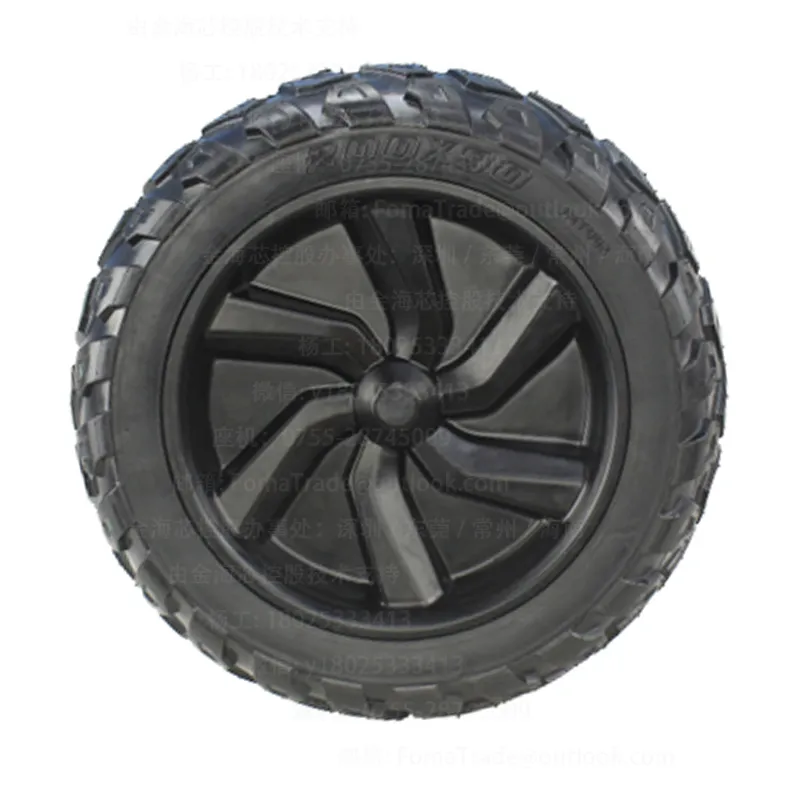
Our engineers spent 18 months refining the internal airflow path to create what we call the "旋风款" (whirlwind-style) structure. By integrating a dual-channel air intake system, this motor generates a continuous vortex that pushes debris away from critical components — not just during operation but also while idle. This means:
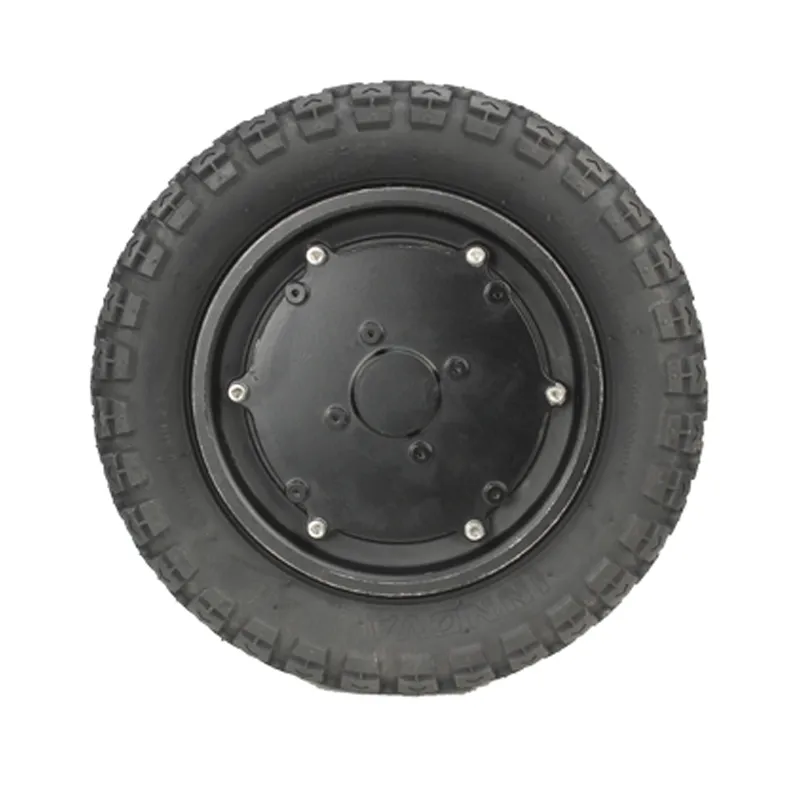
And thanks to the single-side bearing mounting system, vibration is reduced by nearly half — making your cuts smoother, your hands more comfortable, and your machine more reliable.
We’ve reviewed hundreds of customer returns — many were avoidable with proper setup. Here's a quick checklist based on real-world feedback:
| Step | Common Error | Correct Action |
|---|---|---|
| 1 | Skipping torque check before final tightening | Use a calibrated wrench at 12–14 Nm |
| 2 | Ignoring blade alignment after installation | Align with 0.5mm tolerance using laser guide |
| 3 | Neglecting post-installation run-in test | Run for 5 minutes at 70% load before full use |
“I used to replace motors every 3 months,” says Marco Lopez, a senior technician at GreenWorks Landscaping in Texas. “Now, with this design, I’m seeing units last over 18 months — even in high-clipping environments.”
Seasonal maintenance isn’t optional anymore — it’s essential. In spring, focus on cleaning the air vents and checking rotor balance. In summer, inspect for overheating signs. And in fall? Don’t forget to lubricate the bearings with food-grade grease (not oil!) — it prevents rust buildup and ensures smooth starts when winter hits.
Keep a simple logbook. Track each cleaning session, bolt tightness checks, and any unusual noises. Over time, you’ll build a pattern that helps predict potential issues — long before they become costly repairs.
Ready to stop fighting the grass and start winning with smarter tools?
.png?x-oss-process=image/resize,h_800,m_lfit/format,webp)


