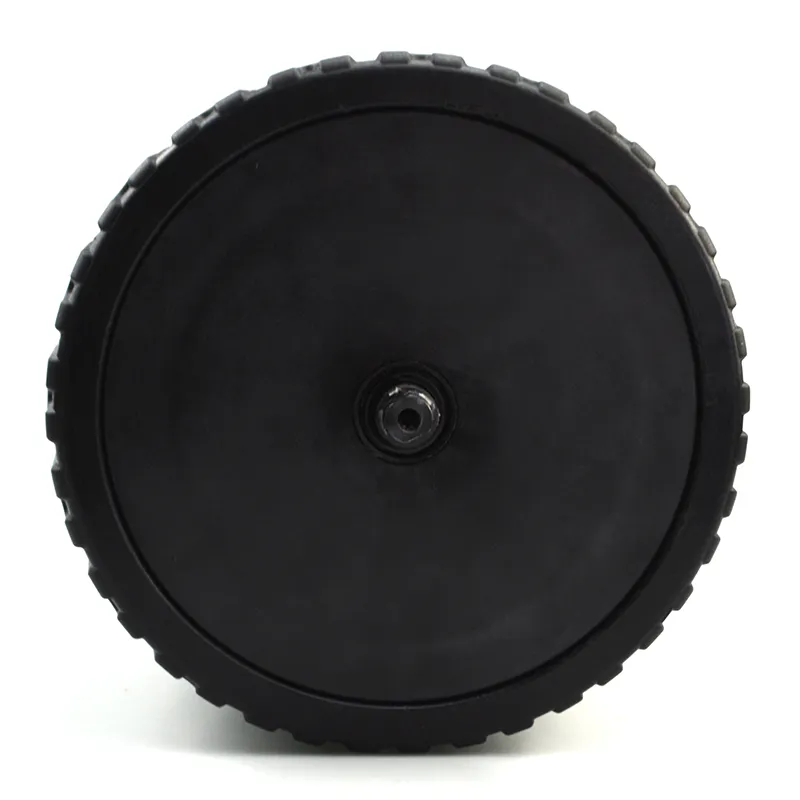
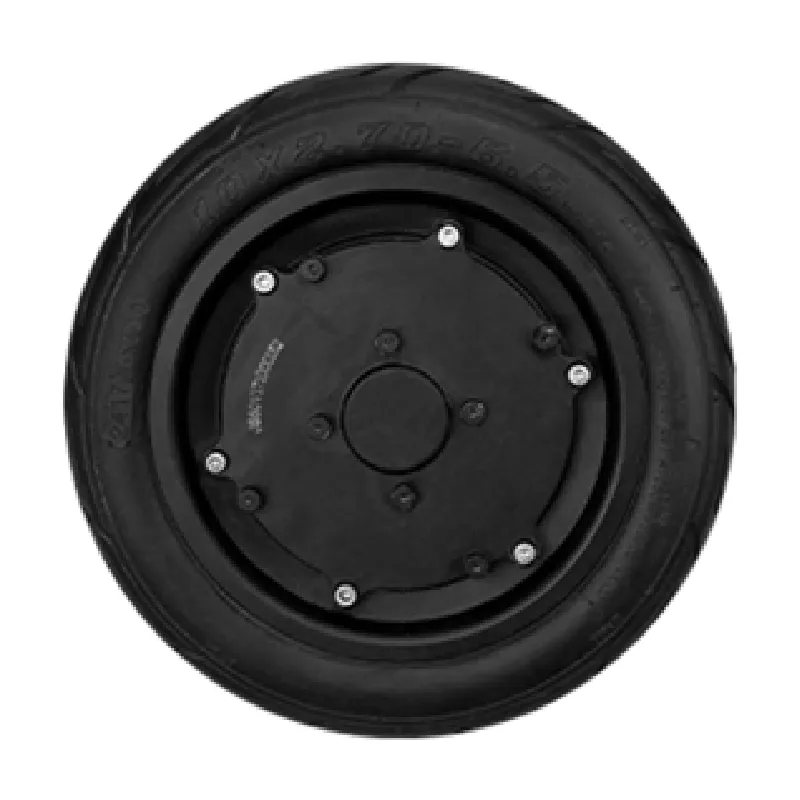
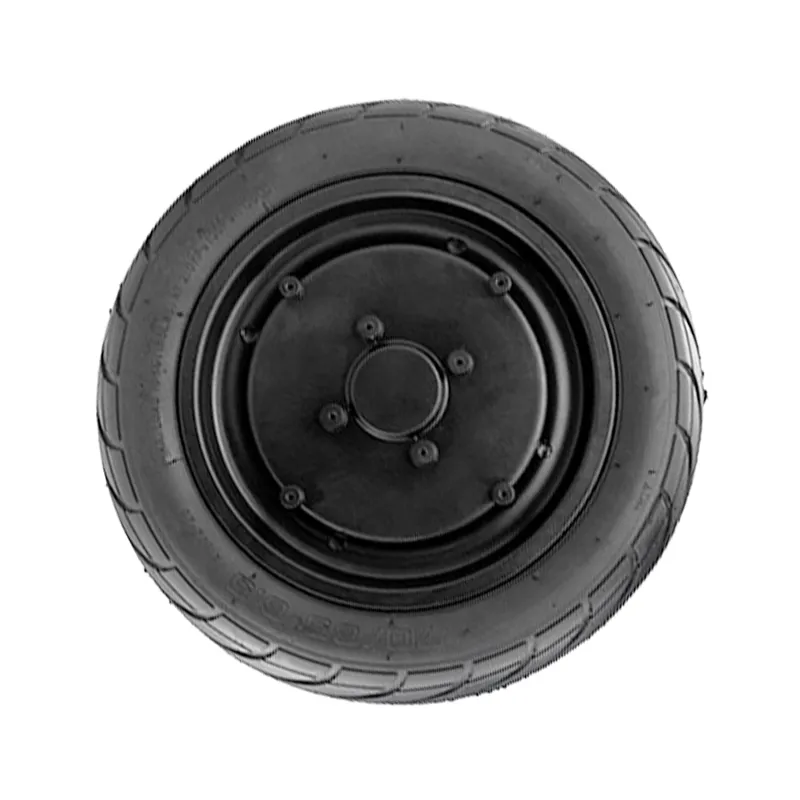
Maintenance & Troubleshooting for WINAMICS 8-Inch (200 mm / 84 mm) Unilateral Shaft-Pressed Hub Motor
Shenzhen Jinhaixin Holdings Co., Ltd shares a practical maintenance and fault-diagnosis guide for the WINAMICS 8-inch (200 mm diameter, 84 mm tire width) unilateral shaft-pressed conventional hub motor—covering inspection steps, common symptoms (overheating, abnormal current, noise/vibration, low power, no start), tool usage, and when to stop operation and seek manufacturer support.
Guide scope (product-specific)
This page provides practical maintenance and troubleshooting guidance for the WINAMICS 8-inch unilateral shaft-pressed conventional hub motor by Shenzhen Jinhaixin Holdings Co., Ltd, designed for a 200 mm diameter and 84 mm tire width fitment. The workflow focuses on mounting/fastening, mechanical interfaces, wiring & harness connections, temperature rise, abnormal noise/vibration, and environmental checks.
Recommended tools (on-site)
- Multimeter (continuity, voltage, insulation checks as applicable)
- Clamp meter (current observation under load)
- Temperature measurement tools (IR thermometer / contact probe)
- Torque tools (torque wrench, suitable sockets/hex bits)
Boundary: any internal disassembly, controller parameter changes, lubrication requirements, or specific measured limits should follow official technical documentation and qualified professional practice.
Safety stop conditions: If you detect burning smell/smoke, sudden uncontrollable speed, repeated tripping of protection devices, visibly damaged cables/connectors, severe overheating, or persistent abnormal noise/vibration—stop operation immediately, isolate power, and contact the manufacturer for support.
1) Routine inspection checklist (before first run / daily / after transport)
Mounting & fastening
- Confirm the unilateral shaft-pressed interface is fully seated and aligned (no forced fit).
- Check all mounting bolts/fasteners are present, tightened evenly, and secured (use torque tools per your spec).
- Verify wheel/tire assembly is true and not contacting guards, brackets, or cabling.
Wiring & harness connections
- Inspect connectors for looseness, bent pins, corrosion, water ingress, or heat discoloration.
- Ensure harness routing prevents rubbing, pinching, or sharp-bend stress during steering/suspension travel.
- Check grounding/return paths are secure and consistent with your system design.
Operating environment
- Remove debris and confirm adequate airflow around the motor area.
- Avoid operation with heavy contamination (mud, sand) that can increase drag and heat.
- After washing or rain exposure, dry interfaces/connectors before the next run.
2) On-site workflow (fast diagnosis, minimal downtime)
- Visual + mechanical check: wheel free-rotation, rubbing, impact marks, loosened fasteners, and unilateral interface seating.
- Connector/harness check: re-seat connectors, inspect pins, verify strain relief, and ensure correct polarity/phase matching per your build.
- Electrical quick tests: use a multimeter for continuity and obvious shorts/opens; use a clamp meter to observe current under controlled load.
- Thermal & vibration observation: run briefly, measure temperature rise trend, listen for abnormal noise, and feel for unusual vibration.
- Decide escalation: if symptoms persist or safety thresholds are suspected, stop and coordinate with Shenzhen Jinhaixin / WINAMICS support.
3) Common symptoms & troubleshooting (what to check first)
A) Overheating / rapid temperature rise
Typical signs: casing temperature rises quickly, thermal protection triggers elsewhere in the system, performance drops after a short run.
- Priority checks: mechanical drag (rubbing tire/guard), excessive load, poor airflow, debris buildup.
- Electrical checks: loose/high-resistance connectors (heat discoloration), abnormal current under load (clamp meter observation).
- Suggested actions: remove drag sources, improve cooling/air path, re-seat or replace suspect connectors, verify harness integrity.
- Stop-use conditions: burning smell, smoke, or repeated overheating shortly after restart.
B) Abnormal current (too high / unstable)
Typical signs: protection trips, cable/connectors warm up unusually, range/run time decreases, current spikes during light load.
- Priority checks: mechanical binding, misalignment at the unilateral shaft-pressed interface, damaged bearing area indicated by rough rotation.
- Wiring checks: phase/harness connector seating, pin fit, moisture ingress, and abrasion to the cable jacket.
- Suggested actions: restore smooth free-rotation, correct harness routing, replace compromised connectors/cables, re-test current under controlled conditions.
- Stop-use conditions: repeated overcurrent trips after basic mechanical and connector issues are ruled out.
C) Abnormal noise / vibration
Typical signs: grinding, cyclic rubbing, rattling under acceleration, or noticeable vibration at specific speeds.
- Priority checks: fastener loosening, wheel/tire runout, bracket deformation after impact, interference with guards.
- Interface checks: verify the unilateral shaft-pressed connection is square and fully seated; inspect for abnormal wear marks.
- Suggested actions: re-torque fasteners, correct alignment, remove interference points, and re-test at low speed before full load.
- Stop-use conditions: loud grinding, sudden increase in vibration, or vibration accompanied by rapid temperature rise.
D) Low torque / low power
Typical signs: weak acceleration, poor hill-climb ability, speed sag, or inconsistent output.
- Priority checks: increased rolling resistance, brake drag, underinflated tire, or payload above expected conditions.
- Connection checks: partially engaged connectors causing voltage drop; inspect for heat marks indicating resistance.
- Suggested actions: reduce drag/load, restore proper mechanical condition, secure connections, and verify stable supply from the low-voltage system.
- When to contact support: persistent low power after mechanical drag and connector issues are eliminated.
E) No-start (motor does not run)
Typical signs: no rotation when commanded, intermittent start, or immediate stop after a brief twitch.
- Priority checks: power path continuity (battery, main switch, protection devices), connector fully seated, and any obvious harness damage.
- Tool-assisted checks: multimeter for basic continuity and presence of supply voltage where applicable; clamp meter to confirm whether current attempts occur during start.
- Suggested actions: re-seat connectors, correct wiring issues found, ensure mounting does not pinch cables, and re-test with the wheel unloaded.
- Stop-use conditions: repeated start attempts causing heating or electrical arcing at connectors.
4) Maintenance tips for long-term stability (unilateral shaft-pressed design)
Fastening discipline
Because the motor uses a unilateral shaft-pressed structure, maintaining consistent fastening practices helps preserve stability and reduce vibration risk. Use appropriate torque tools and re-check after initial run-in and after transportation impacts.
Connector health
Many field issues originate from loose or contaminated connectors. Keep connectors dry and clean, ensure positive locking, and avoid harness tension. Replace connectors that show heat discoloration, corrosion, or poor pin retention.
No secondary machining needed—verify fitment instead
The 8-inch (200 mm / 84 mm) conventional model is designed for direct fitment in typical small equipment assemblies. If abnormal noise or current appears after installation, prioritize alignment and seating checks rather than modifying parts on-site.
5) When to contact Shenzhen Jinhaixin / WINAMICS support
- You have completed mounting/fastening, mechanical drag, and connector/harness checks, but the issue persists.
- Repeated overheating or overcurrent events occur during controlled testing.
- Noise/vibration increases rapidly, or physical wear marks suggest misalignment or internal damage.
- You need guidance that involves internal disassembly or controller parameter coordination within the low-voltage three-electric system.
To speed up support, prepare: product name (WINAMICS 8-inch unilateral shaft-pressed hub motor), application scenario (e.g., small karting/leisure equipment), symptom description, photos of mounting and connectors, and basic test observations (temperature trend, current observation, noise characteristics).
About the manufacturer
Shenzhen Jinhaixin Holdings Co., Ltd focuses on low-voltage three-electric system design, R&D, customization, manufacturing, and sales. With an integrated trade-and-manufacturing model and production bases in Shenzhen, Dongguan, Changzhou, and Hainan, we support B2B customers with hub motors, drive controllers, and energy battery packs—along with practical after-sales coordination for stable, reliable operation.
Applicable use cases
- Small karting platforms
- Leisure & recreational mobility devices
- Other compact equipment requiring a stable 8-inch hub motor interface
This guide is intended for
inspection and on-site troubleshooting. For any procedure that could affect safety, compliance, or warranty—especially internal work—please follow official documentation and involve qualified technicians.
Product referenced: WINAMICS 8-inch hub motor (200 mm diameter, 84 mm tire width), unilateral shaft-pressed conventional model.
For documentation alignment and part verification, contact the Shenzhen Jinhaixin team through your existing business channel.