Home > News > 8-Inch Single-Sided Shaft-Pressed Hub Motor Maintenance & Troubleshooting Guide | WINAMICS by Shenzhen Jinhaixin Holdings

Maintenance and Troubleshooting Guide for WINAMICS 8-Inch (Ø200 mm, 84 mm) Single-Sided Shaft-Pressed Hub Motor

2026-09-30
This practical guide from Shenzhen Jinhaixin Holdings (WINAMICS) covers maintenance and fault troubleshooting for the 8-inch (Ø200 mm, 84 mm tire width) single-sided shaft-pressed conventional hub motor, including installation checks, axle press-fit inspection, wiring/connector verification, temperature rise monitoring, noise & vibration diagnosis, and when to stop use and contact manufacturer support.

This page provides a practical maintenance and troubleshooting reference for the WINAMICS 8-inch single-sided shaft-pressed conventional hub motor (Ø200 mm, 84 mm tire width) by Shenzhen Jinhaixin Holdings Co., Ltd. It is intended for engineering teams, service technicians, and B2B integrators using the motor in small mobility and recreational equipment such as small go-karts and related applications.

Safety note: For safety and reliability, do not disassemble the motor or change system parameters without authorization. Electrical configuration, inspection limits, and maintenance intervals must follow the product technical documents, matched controller requirements, and applicable professional standards.

Product Scope (What This Guide Applies To)

Motor: WINAMICS 8-inch single-sided shaft-pressed hub motor (conventional model)

  • Diameter: Ø200 mm
  • Tire width: 84 mm
  • Structure: Single-sided shaft-pressed axle connection for enhanced stability and efficient power transmission
  • Positioning: Designed for fast integration—typically no secondary machining required for matching size
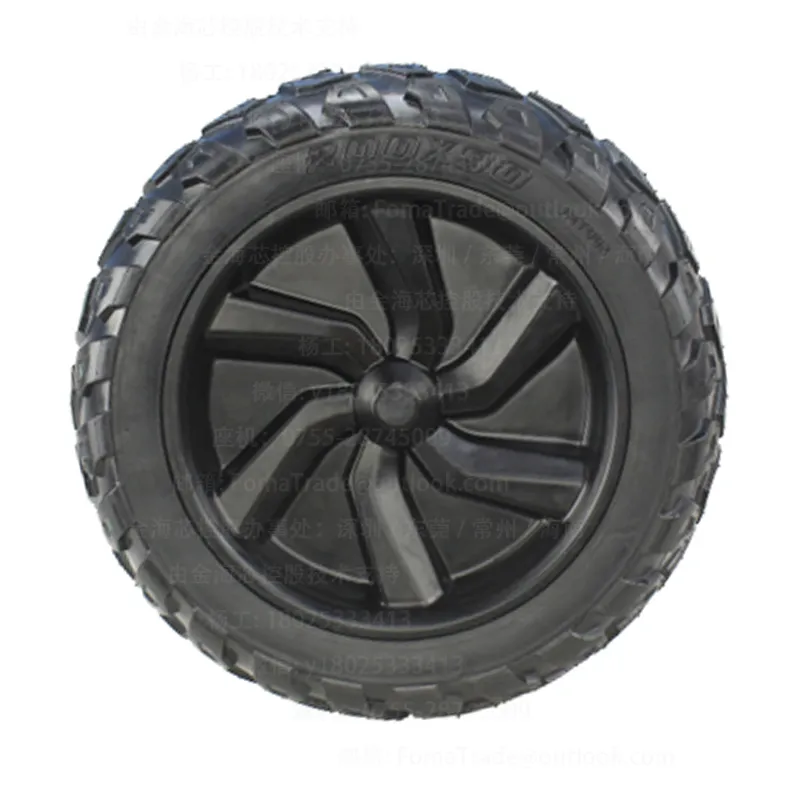
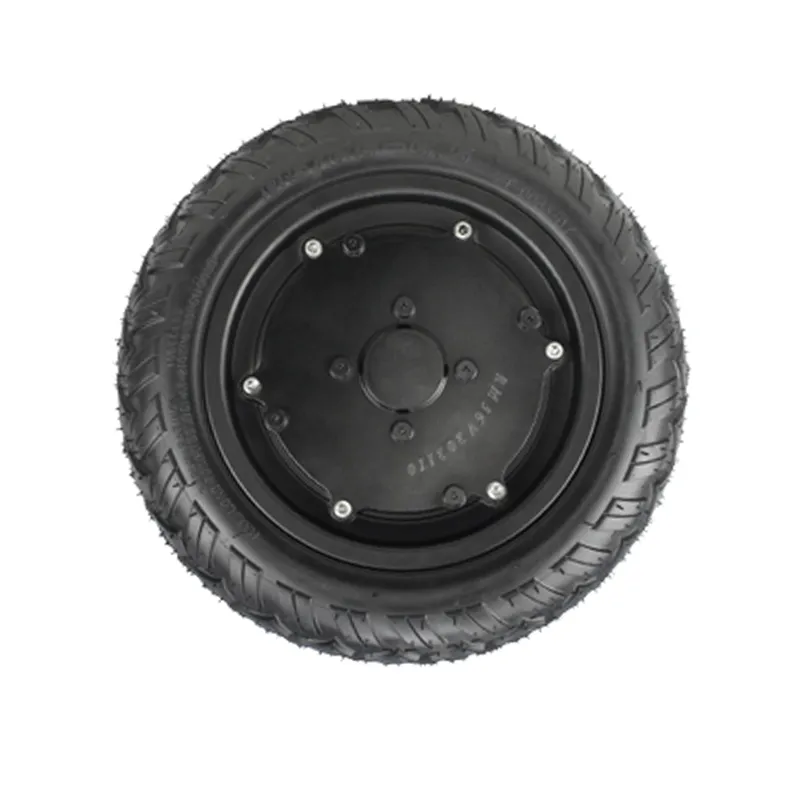
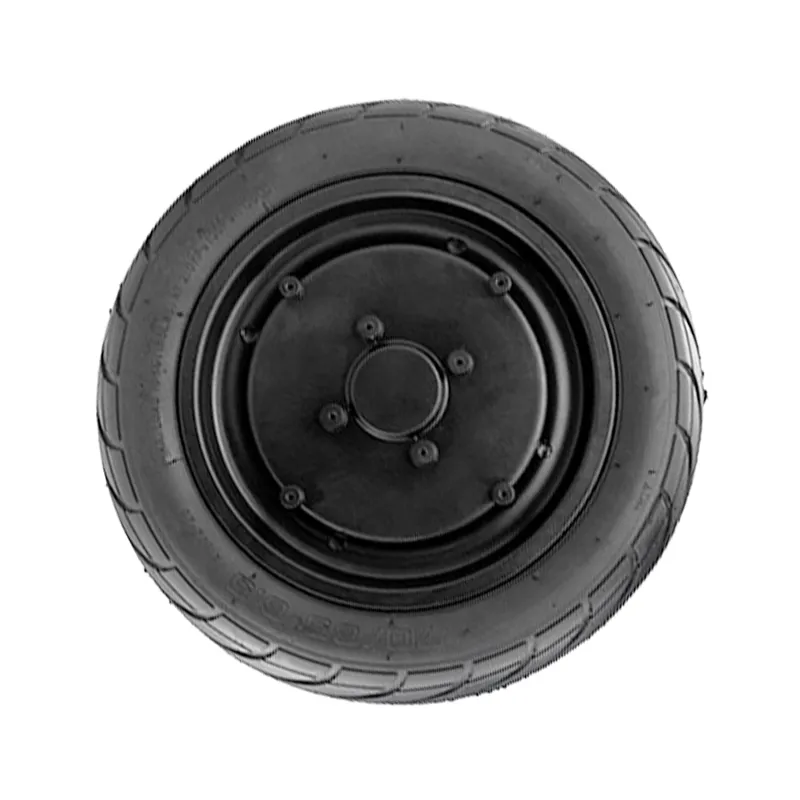
Technician performing maintenance checks on a WINAMICS 8-inch (Ø200 mm, 84 mm) single-sided shaft-pressed hub motor, inspecting wiring, connectors, and temperature.

Reference image: 8-inch (Ø200 mm / 84 mm) single-sided shaft-pressed hub motor

Tip for integrators: This guide focuses on on-site preliminary checks and common fault symptoms. For wiring pinouts, torque values, and controller parameter ranges, use the latest technical documentation provided with your project build.

Recommended Tools for On-Site Checks

Electrical

  • Multimeter (continuity / resistance / voltage)
  • Clamp meter (current observation)

Thermal

  • Temperature measurement tools (IR thermometer / contact probe as applicable)
  • Basic logging method for trend tracking (time, load, ambient)

Mechanical

  • Basic hand tools for fastening checks
  • Visual inspection aids (light, cleaning cloth)

Pre-Operation Checklist (Installation & Connection)

  1. Mounting & fastening: confirm all mounting points are secure; verify there is no interference between tire/hub and surrounding structures.
  2. Single-sided press-fit axle connection: inspect the press-fit area for visible looseness, abnormal gaps, or signs of relative movement.
  3. Wiring harness & connectors: check that connectors are fully seated; confirm cable routing avoids sharp edges, pinch points, and heat sources.
  4. Controller & battery matching: ensure the motor is used with the intended controller configuration and low-voltage electrical system design (per project documentation).
  5. First run observation: perform a brief no-load test when possible; listen for abnormal noise and monitor temperature rise trends during initial commissioning.

Important: If you detect connector heating, burning smell, sudden vibration increase, or unstable operation, stop the test and proceed to the troubleshooting section.

Troubleshooting by Symptom (Symptom → Priority Checks → Actions)

Use the sequence below to narrow down the most likely causes. The goal is safe, efficient preliminary diagnosis before escalating to manufacturer support.

Symptom Priority checks (on-site) Handling suggestions Stop-use conditions
No start
  • Connector seating and harness integrity
  • Basic continuity checks with multimeter
  • Verify controller enable / signal wiring per your system design
Reseat connectors; correct routing/pinch points; confirm controller and motor are matched according to technical documents. Repeated start attempts cause heating, odor, or abnormal current behavior.
Low power / weak drive
  • Check for mechanical drag or interference at the wheel
  • Inspect connectors for looseness/oxidation; look for localized heating
  • Observe current using a clamp meter (trend-based)
Remove interference; improve cable fixation; replace damaged connectors/harness per service practice; confirm controller settings were not altered without authorization. Noticeable connector melting, persistent overheating, or severe vibration appears during load.
Overheating / fast temperature rise
  • Monitor temperature rise trend and correlate with load/ambient
  • Check for obstructed cooling paths or heat accumulation in enclosure
  • Inspect press-fit axle area and mounting for abnormal friction sources
Reduce load; improve ventilation; verify mechanical alignment and that no external parts rub the tire/hub; keep records for support diagnostics. Smoke, burning smell, sudden temperature spike, or loss of control stability.
Abnormal noise
  • Check mounting tightness and surrounding interference
  • Assess whether noise changes with speed or load
  • Inspect wheel/tire condition and contact surfaces
Tighten/secure external parts; eliminate rubbing; document noise characteristics (when it occurs, frequency, load condition). Noise is accompanied by heat, vibration escalation, or unstable output.
Vibration / wobble
  • Check tire seating and wheel assembly condition
  • Re-check fastening points and structural rigidity
  • Inspect single-sided press-fit axle connection for looseness
Stop and re-inspect assembly; correct mounting; if press-fit looseness is suspected, avoid continued operation and consult support. Any indication of axle connection movement, repeated loosening, or unsafe handling behavior.
Abnormal current / connector heating
  • Use clamp meter to observe current trends
  • Inspect connectors for discoloration, looseness, oxidation
  • Check cable routing for bending stress or damage
Replace or service damaged connectors/harness; improve strain relief; ensure contact quality; confirm system integration matches documentation. Visible arcing, melting, strong odor, or repeated heating after reseating.

Documentation tips for faster support: record symptom, operating condition (load, speed, duty cycle), ambient temperature, controller model, and any measurement snapshots (voltage/current/temperature trends). This helps WINAMICS engineers pinpoint likely causes without repeated on-site trials.

Environmental & Use-Condition Checks

  • Cleanliness: keep the hub area and connectors free from heavy dust, mud, or corrosive contamination that may degrade contact quality.
  • Moisture exposure: after operation in wet environments, inspect connectors and harness routing; ensure no water accumulation remains around interfaces.
  • Mechanical shock: if the equipment experiences impact or abnormal vibration events, prioritize inspection of mounting points and the single-sided press-fit axle interface.
  • Heat accumulation: enclosed chassis layouts may increase temperature rise; monitor trends and consider ventilation improvements at the system level.

When to Contact WINAMICS / Shenzhen Jinhaixin Holdings

Stop use and contact manufacturer support if any of the following occurs during maintenance checks or operation:

  • Persistent or rapid overheating that returns after basic corrections
  • Connector heating, discoloration, melting, arcing, or strong odor
  • Suspected press-fit axle looseness, movement, or repeated fastening loss
  • Abnormal noise/vibration combined with unstable output or safety risk
  • Any fault condition that cannot be cleared without changing parameters or opening the motor

As a low-voltage e-powertrain focused manufacturer integrating design, R&D, customization, production, and sales, Shenzhen Jinhaixin Holdings supports B2B customers with structured after-sales coordination. Provide your recorded symptoms and measurement trends to speed up technical alignment.

Why This Motor Design Matters for Maintenance

The WINAMICS single-sided shaft-pressed structure is designed to enhance stability and improve power transmission efficiency for compact equipment. In maintenance practice, this makes press-fit interface inspection, fastening checks, and connector integrity especially important—helping maintain smooth operation and reducing avoidable downtime.

For project-level integration (motor + controller + battery pack), request the latest technical documents from WINAMICS to ensure inspection points and acceptable measurement limits are aligned with your configuration.

Name *
Email *
Message *
Recommended Products