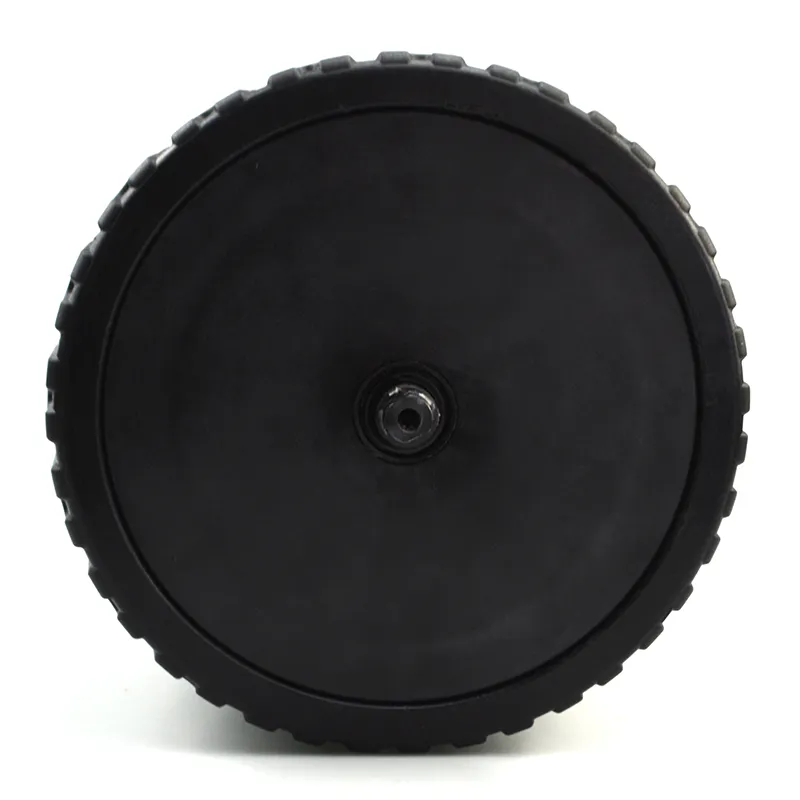
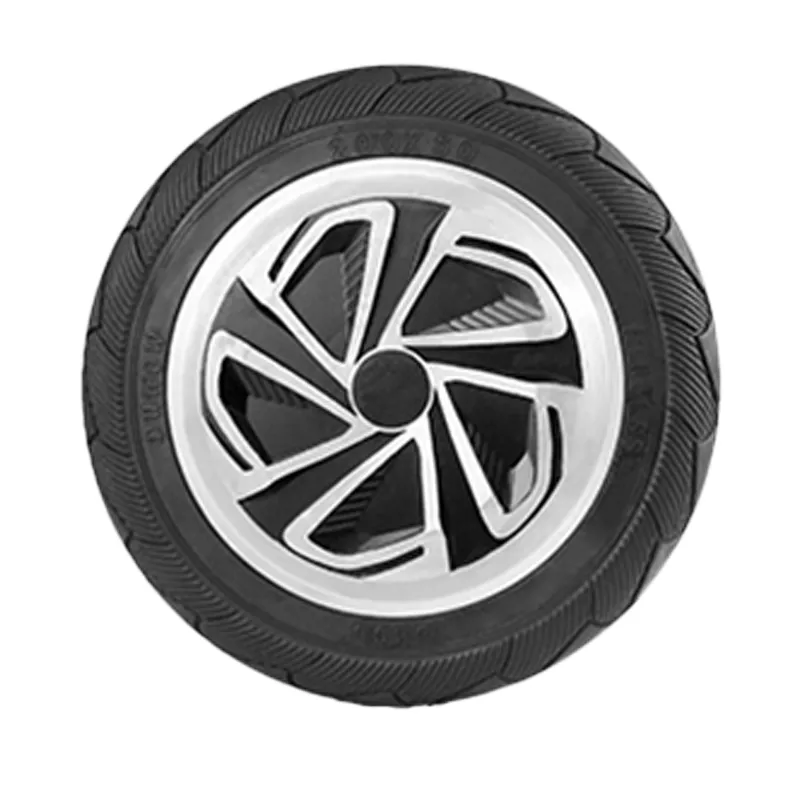
In small electric go-karts, “power” is rarely the only target—power transfer efficiency is. Torque must reach the tire with minimal loss, minimal vibration, and predictable control at low speed. This is where an 8-inch outrunner hub motor with a single-side press-fit axle structure can change the game. Below is a practical, engineering-grounded breakdown of why the structure used in the WINAMICS 8-inch conventional hub motor is often chosen for low-speed, high-torque applications, and what installation details matter most for long service life.
For compact go-karts, efficiency is not only about electrical conversion—it is also about mechanical stability. Even when the motor’s electrical efficiency looks good on paper, real-world losses show up as: axial runout, micro-vibration, uneven tire loading, and fastener loosening over time. Those issues reduce usable torque at the wheel and can cause premature bearing wear.
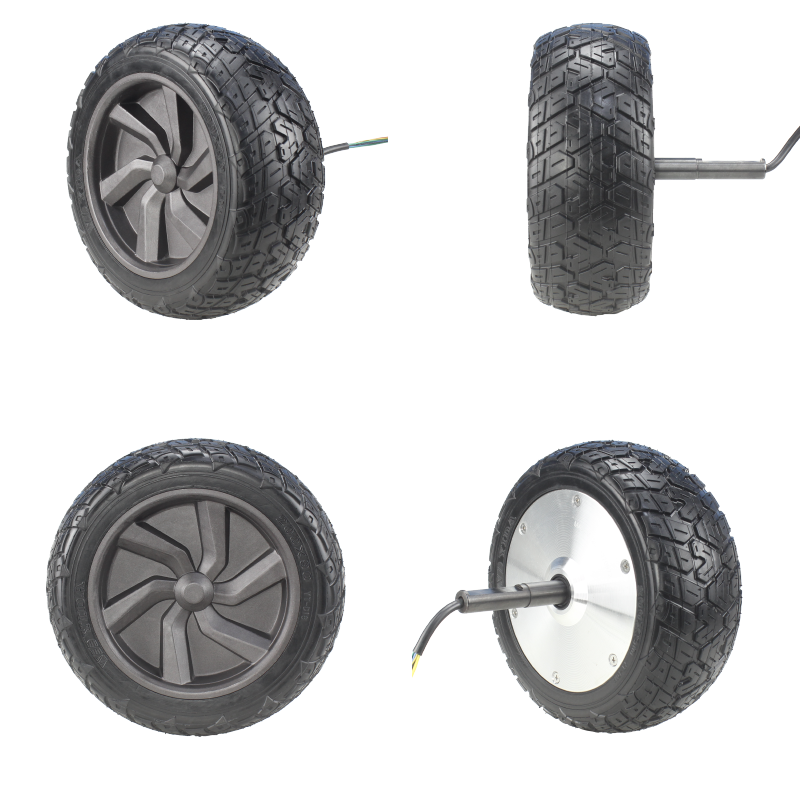
An outrunner hub motor places the rotor outside the stator, increasing the effective rotor radius. In simple terms, more radius means more torque leverage. For a small go-kart that needs strong launch and corner-exit response, this configuration helps deliver high torque at low wheel speed without relying on a complex gearbox.
A well-designed magnetic circuit reduces flux leakage and stabilizes the air-gap field. When flux is “spent” where it should be (in the air gap), the motor can produce more torque per amp—useful for low-voltage three-electric systems where current is precious and heating rises quickly. In typical small EV traction motors, moving from a basic to an optimized magnetic path can yield ~5–10% improvement in torque-per-amp under comparable conditions, especially in the low-to-mid speed zone where karts operate most.
Winding geometry influences copper loss (I²R), harmonic content, and torque ripple. A balanced layout can reduce local hot spots and improve phase symmetry—both of which help the controller deliver smoother torque. For go-karts, “smooth” is not a comfort metric only; it reduces traction breaks and improves repeatability in lap-to-lap driving.
| What to Request | Why It Matters in Go-Karts | Practical Benchmark (Typical) |
|---|---|---|
| Runout / concentricity control method | Reduces vibration, bearing wear, torque ripple | Aim for tighter control in hub-mounted wheels |
| Thermal path description (housing, airflow, potting) | Prevents derating in stop-and-go duty | Sustained torque matters more than peak |
| Winding resistance / phase symmetry data | Improves controller tuning and smoothness | Lower imbalance = steadier low-speed control |
In karting, the motor sees repeated acceleration bursts and short coasts. This pattern can trap heat in copper and magnets. When temperature rises, resistance increases and torque drops for the same current. Practical motor designs therefore focus on creating a reliable heat path from windings to the housing, helping maintain consistent output. In many small traction setups, improved heat flow can delay derating and keep performance stable—often translating to a few percent higher average usable torque over a full run compared to a thermally constrained design.

The key differentiator discussed here is the single-side press-fit axle structure used in the WINAMICS 8-inch hub motor architecture. Structurally, the objective is simple: keep the rotating system stable under real load while minimizing sources of friction, vibration transfer, and assembly deviation.
In go-karts, small alignment errors become noticeable quickly because the wheel is both the traction interface and the motor output. By focusing on controlling axial movement and vibration at the structure level, the motor can deliver torque more consistently—especially at low speed where drivers are sensitive to jerk and oscillation.
From a buyer’s perspective, this is also a quality-consistency lever: a structure that is easier to assemble correctly tends to produce fewer field failures and fewer warranty disputes caused by installation variability.
Even the best hub motor can underperform if the installation introduces eccentricity. The most common issue in small kart builds is not “wrong parts”—it is uneven fastener preload and mounting surface inconsistency.
Mistake: Tightening bolts in a circle, one by one, to full torque.
Better: Use a star pattern and torque in 2–3 passes (e.g., 30% → 60% → 100%) to keep the face seated evenly.
Mistake: Skipping surface cleanliness checks on the mounting face.
Better: Deburr and clean the mating surfaces; even small particles can introduce runout under clamp load.
Mistake: Guessing preload without a calibrated torque wrench.
Better: Use a calibrated torque tool and follow the motor/wheel hardware spec. If the exact torque isn’t available, request it from the supplier before final assembly.
Another often-missed detail is post-install verification. A quick runout check (even a simple dial indicator setup in production) can catch issues early. For many small-wheel assemblies, tightening control alone can reduce rework and noise complaints noticeably.
In your current kart platform, what is the bigger headache: low-speed vibration, bearing failures, or controller tuning for smooth launch? Share the wheel size, target speed range, and duty cycle—those three details usually reveal the root cause quickly.
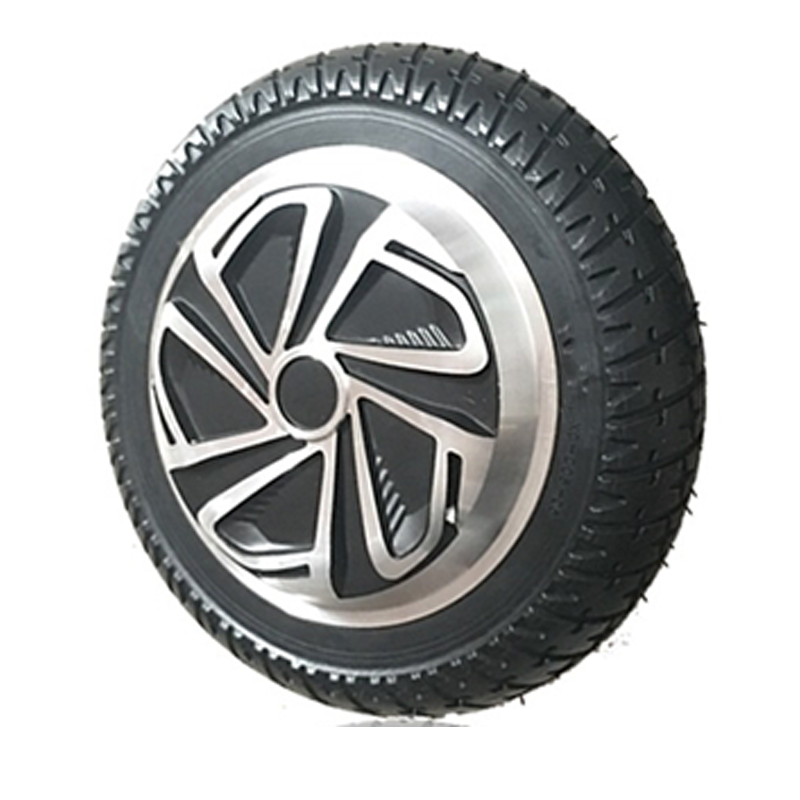
In one small go-kart manufacturer’s validation cycle, moving to an 8-inch outrunner hub motor with improved structural stability and assembly consistency resulted in a measured reliability gain: overall drivetrain-related failure rate dropped by ~30% over the comparable test window (reported across typical warranty-return causes such as abnormal noise, bearing issues, and fastener-related loosening).
While exact results vary by chassis stiffness, tire compound, and terrain, the pattern is consistent in B2B deployments: when structural runout and vibration are reduced, secondary problems decline—especially those tied to bearings, brackets, and intermittent electrical connections.
For low-speed, high-torque duty—exactly the profile of many electric go-karts—buyers typically care about stability, installability, and lifecycle support as much as raw specifications. The WINAMICS 8-inch conventional hub motor is positioned around those practical outcomes: a structure designed to control vibration and axial movement, a configuration that avoids unnecessary secondary machining, and a delivery approach oriented to integration readiness.
For teams balancing engineering resources, timelines, and production consistency, this kind of “no rework required” integration is often what turns a motor from a component into a dependable platform choice.
If you want smoother low-speed torque delivery, fewer vibration-related failures, and an easier assembly process, explore the WINAMICS 8-inch hub motor solution backed by reliable quality and full-range after-sales support from WWTrade.
Check the WINAMICS 8-inch outrunner hub motor for small go-kartsTip: send your wheel size, target speed range, vehicle weight, and duty cycle for a faster matching recommendation.