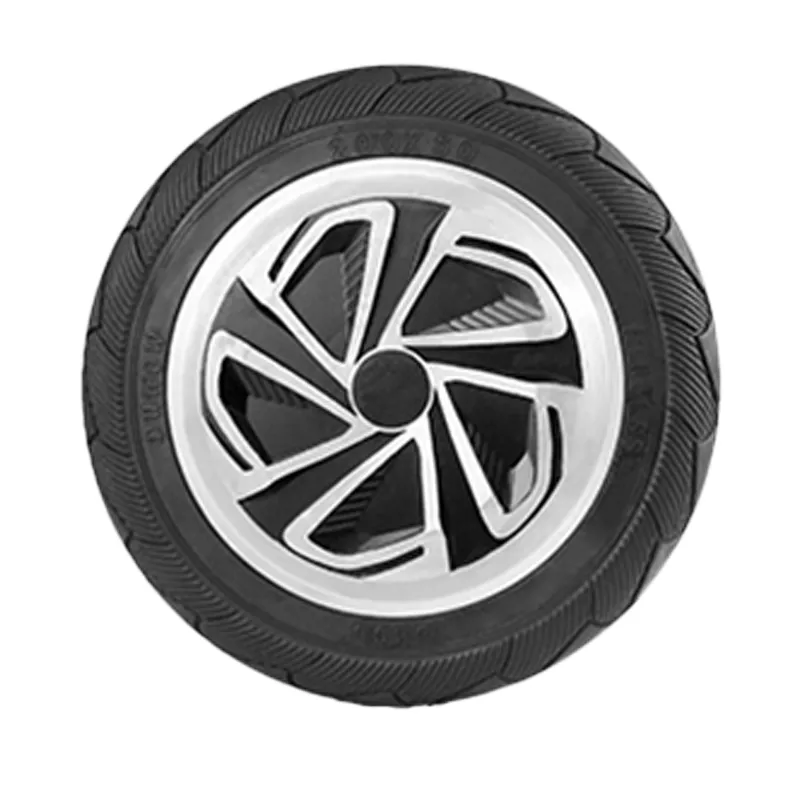
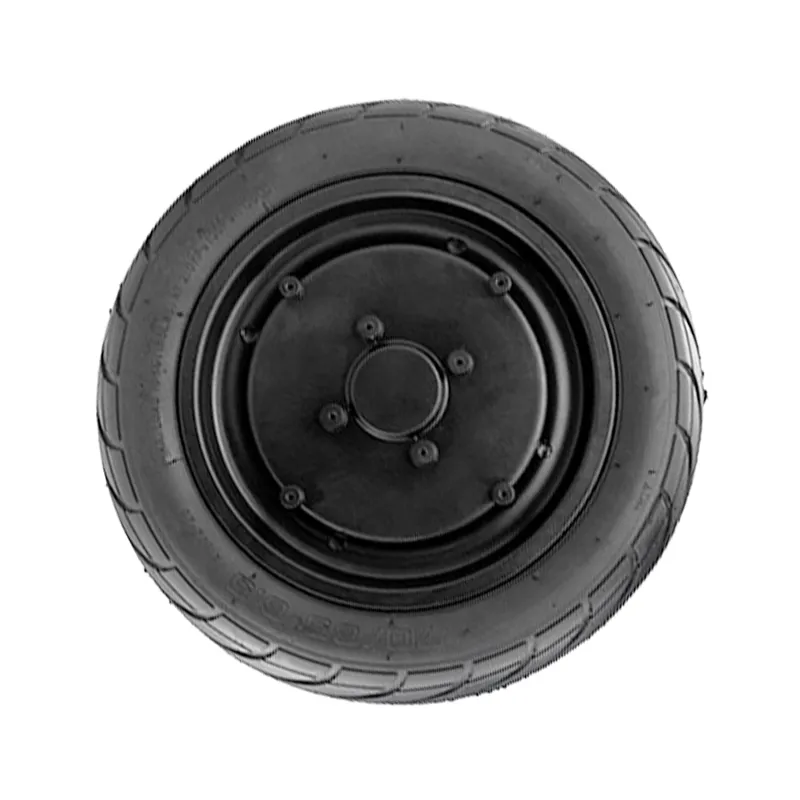
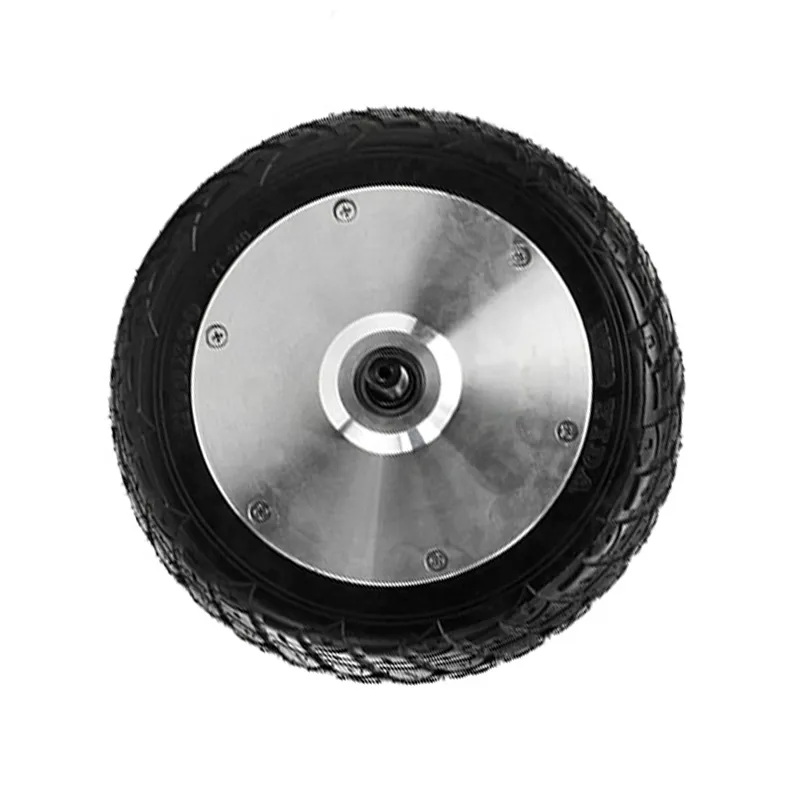
Maintenance & Fault Diagnosis Workflow for WINAMICS 8-Inch (200mm) Unilateral Shaft-Pressed Hub Motor
2026-10-15
Shenzhen Jinhaixin Holdings Co., Ltd. provides a practical maintenance and troubleshooting guide for the WINAMICS 8-inch (200mm diameter, 84mm tire width) unilateral shaft-pressed conventional hub motor, covering inspection routines, wiring and harness checks, temperature rise, noise/vibration, load and environment factors, plus safe stop conditions and manufacturer support references.
This page provides a practical, field-friendly maintenance and fault diagnosis workflow for the WINAMICS 8-inch unilateral shaft-pressed conventional hub motor (diameter 200mm, tire width 84mm) from Shenzhen Jinhaixin Holdings Co., Ltd. It is intended for maintenance engineers and technical support teams servicing small vehicles and recreational equipment where stable operation and fast turnaround matter.
Scope: mounting & fixation checks, unilateral shaft-press connection integrity, wiring/harness condition, temperature rise, noise/vibration, load and environment factors, and safe stop-use conditions. Measurements and any internal disassembly decisions should follow your product technical documentation and the matched controller requirements.
Recommended Tools & Basic Records
Tools referenced in this workflow
Multimeter (basic continuity checks and wiring verification)
Clamp meter (abnormal current observation during test runs)
Temperature measurement tools (spot checks during operation)
Torque tools (mounting/fixation verification)
Preventive maintenance record (simple and useful)
Keep a lightweight log per unit to speed up diagnosis and reduce repeat faults.
Installation date & operating environment notes
Harness routing changes and connector replacements
Noise/vibration observations after service
Overheating/overcurrent events and actions taken
Routine Inspection Checklist (Before a Fault Happens)
1) Mounting, fixation & shaft-press integrity
Verify mounting points are secure; re-check torque with appropriate tools.
Inspect the unilateral shaft-press connection for looseness, abnormal play, or signs of shifting.
Confirm the motor is installed in a way that avoids side-loads beyond the intended mechanical design.
2) Wiring, harness & connector condition
Check harness insulation for abrasion, cuts, or pinch points near frames and moving parts.
Check connector seating; look for looseness, corrosion, or heat discoloration.
Ensure cable routing provides strain relief and does not pull during suspension/steering movement.
3) Temperature rise, noise & vibration monitoring
During operation, check for unusual temperature rise compared with normal behavior of the same application.
Listen for new noises (rubbing, grinding, intermittent scraping) and note when they occur.
Record vibration changes after maintenance, tire changes, or mounting adjustments.
4) Load & environment factors
Confirm the mechanical load matches the intended small-vehicle / leisure equipment use case.
Inspect for debris ingress and contamination exposure that could affect smooth rotation.
If operation is frequent in harsh environments, increase inspection frequency.
Reduce load for verification and compare behavior.
Rework routing and connections; ensure secure seating and proper strain relief.
Confirm controller matching and follow technical documentation for parameter alignment.
Low power accompanies overheating or abnormal current.
Unit cannot maintain stable operation under normal load.
No-start / intermittent start
Connector seating and harness continuity (look for intermittent opens).
Physical interference causing locked or restricted rotation.
Evidence of heat damage around wiring points.
Re-seat and secure connectors; repair/replace damaged harness segments.
Remove mechanical obstruction; re-check mounting alignment and fixation.
If intermittent, reproduce the fault by gently moving harness sections (without stressing connectors) to locate weak points.
Repeated no-start after wiring and mounting verification.
Any smoke, severe overheating, or visibly damaged connectors.
Practical tip: For this unilateral shaft-pressed design, always prioritize checks around fixation and mechanical stability before deeper electrical conclusions. Many “electrical-looking” issues can be triggered by looseness, harness strain, or intermittent connector contact.
When to Escalate to Manufacturer Support
If you have completed the above priority checks and the fault persists, escalate with a clear service package. Shenzhen Jinhaixin Holdings Co., Ltd. supports B2B customers with product-level technical references aligned to the WINAMICS hub motor and the matched drive controller.
Prepare these details
Motor model: WINAMICS 8-inch hub motor (Ø200mm, 84mm), unilateral shaft-pressed conventional model
Installation context: application type (e.g., small kart / leisure equipment), mounting method, and recent changes
Fault symptom timeline: when it started, whether it is repeatable, and any stop-use triggers observed
Test notes: wiring/connector findings, temperature rise observations, noise/vibration notes
What support typically references
Product technical documentation and compatibility requirements with the matched controller
Guidance on whether internal inspection/disassembly is appropriate for your case
Suggestions to improve reliability through installation, harness routing, and maintenance routines
Product Notes for Maintenance Planning
Why this motor is commonly chosen in small equipment
Unilateral shaft-pressed structure helps strengthen stability for applicable assemblies.
Dedicated size fit (Ø200mm × 84mm) can reduce the need for secondary machining in suitable designs.
Installation convenience can help reduce on-site labor time when the mounting design is prepared correctly.
Manufactured under a structured quality management approach, focusing on stable and reliable operation.
Applicable teams
After-sales maintenance engineers
OEM technical support teams
Service partners maintaining fleets of small recreational devices
For consistent service outcomes, apply the workflow as a standard: Symptom → priority checks → recommended actions → stop-use conditions → manufacturer support. If you need documentation-aligned guidance for your specific controller match and installation configuration, contact Shenzhen Jinhaixin Holdings Co., Ltd. (WINAMICS) with your maintenance record and inspection notes.