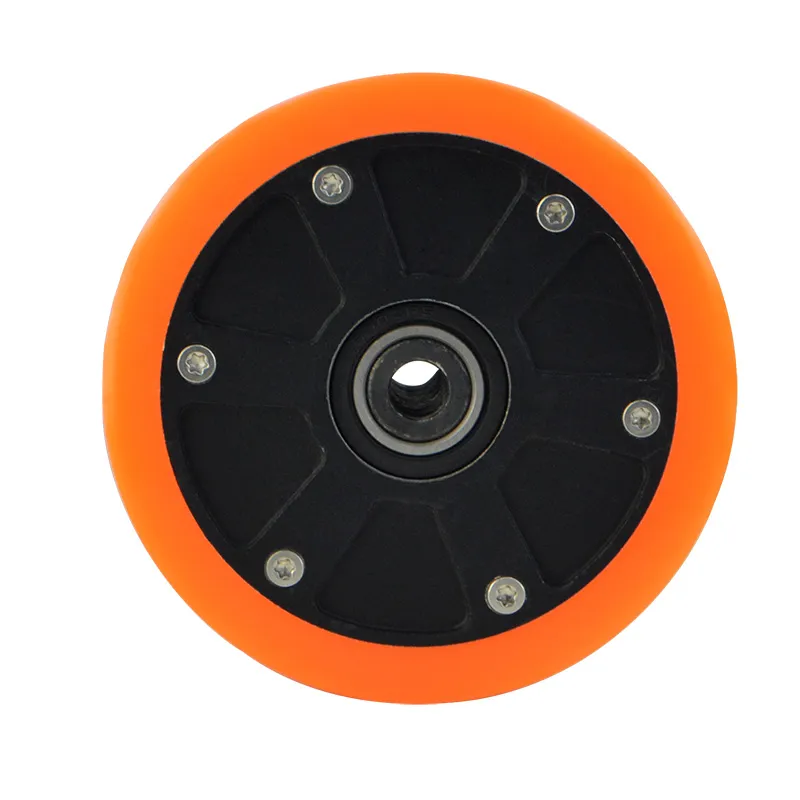
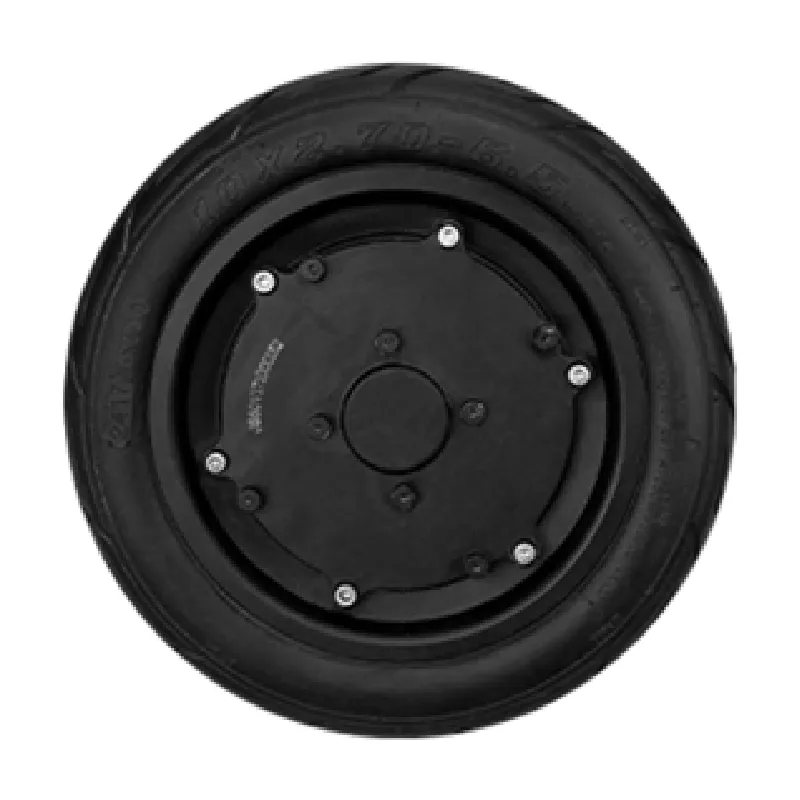
Are you a sports equipment maintenance technician or a coach constantly troubled by the unstable speed regulation of your ball - serving machine motor? You're not alone. This issue is a common headache in the sports equipment field. In this article, we'll take a deep - dive into the technical principles and common faults behind this problem, exploring power supply, mechanical, and electrical aspects.
The speed regulation of a ball - serving machine motor mainly relies on the interaction of electrical and mechanical components. When you set a specific speed, the control system sends signals to adjust the current and voltage of the motor, thereby changing its rotational speed. However, various factors can disrupt this process.
Power supply issues are one of the most common causes of unstable motor speed regulation. Voltage fluctuations can directly affect the motor's input power. For example, if the voltage is too low, the motor may not reach the set speed; if the voltage is too high, it can cause the motor to run too fast or even burn out. In a normal environment, the allowable voltage fluctuation range for a ball - serving machine motor is usually ±5%.
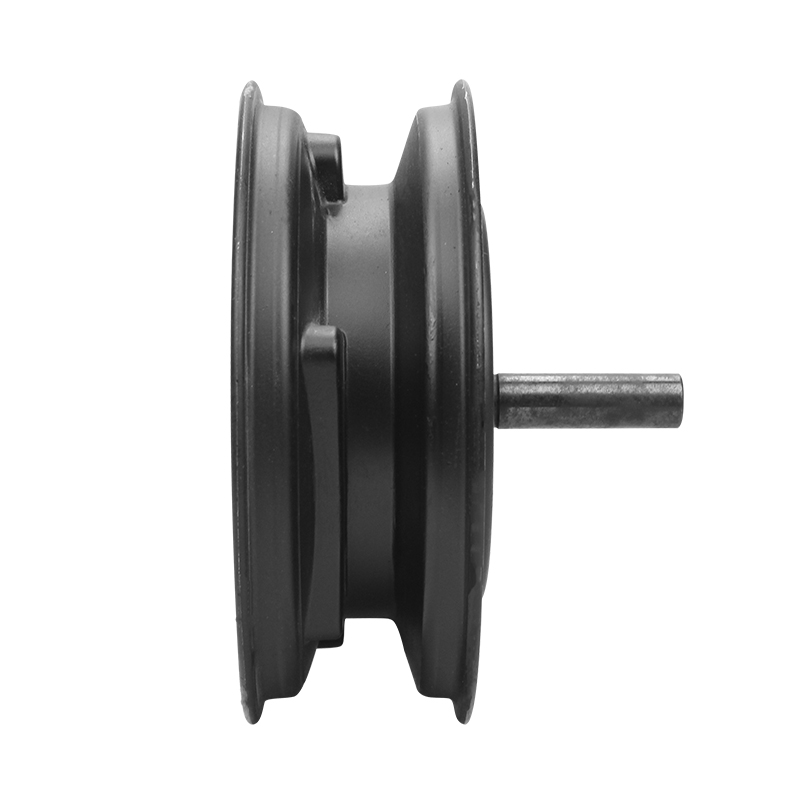
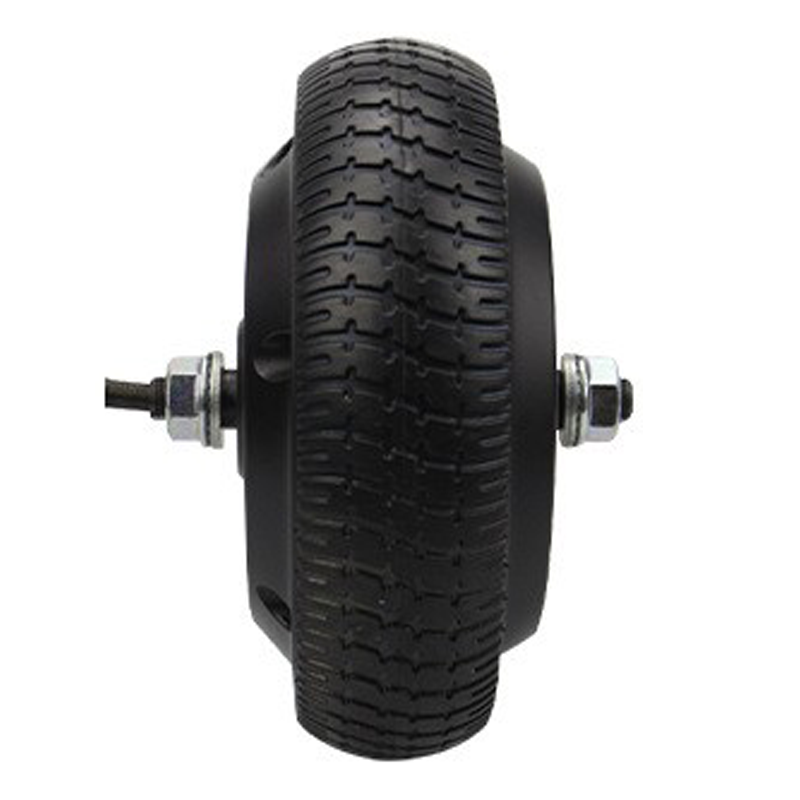
In the mechanical part, the most critical component is the bearing. Bearings support the motor's rotating shaft. Over time and with frequent use, bearings can wear out. A worn - out bearing can cause the shaft to run off - center, increasing friction and making speed regulation difficult. For the 4 - inch power core motor, its high - frequency start - stop operation places even higher demands on the bearing's durability and precision control.
The electrical circuit, especially the motor coil, is also a key area. With long - term use, the motor coil can age or even short - circuit. When the coil ages, its resistance changes, affecting the motor's performance. In a high - frequency start - stop environment, the electrical stress on the coil is greater, accelerating the aging process.
Now, let's introduce a practical three - step detection method for diagnosing these problems.
Use a multimeter to measure the input voltage of the motor. Check if it is within the normal range. If the voltage is unstable, you may need to check the power socket or use a voltage stabilizer. This step is crucial because a stable power supply is the basis for the normal operation of the motor.
Inspect the bearing. Use a vibration tester to check if there are abnormal vibrations. If the bearing is worn, replace it immediately. In addition, make sure all mechanical components are properly installed and there is no looseness.
Use a multimeter to measure the resistance of the motor coil. Compare the measured value with the rated value. If the difference is significant, it may indicate coil aging or a short - circuit. At this time, you may need to seek professional help to replace the coil.
We encourage you to share your experiences in maintaining and troubleshooting ball - serving machine motors. By sharing your knowledge, you can help others and also learn from their experiences. Leave a comment below to start the conversation!
The 4 - inch power core motor in our ball - serving machines is designed to perform well in high - frequency start - stop situations, with excellent control precision and durability to meet your long - term use needs.
收藏本文,下次维修不迷路. Discover more stable and efficient ball - serving machine motor solutions by Clicking Here